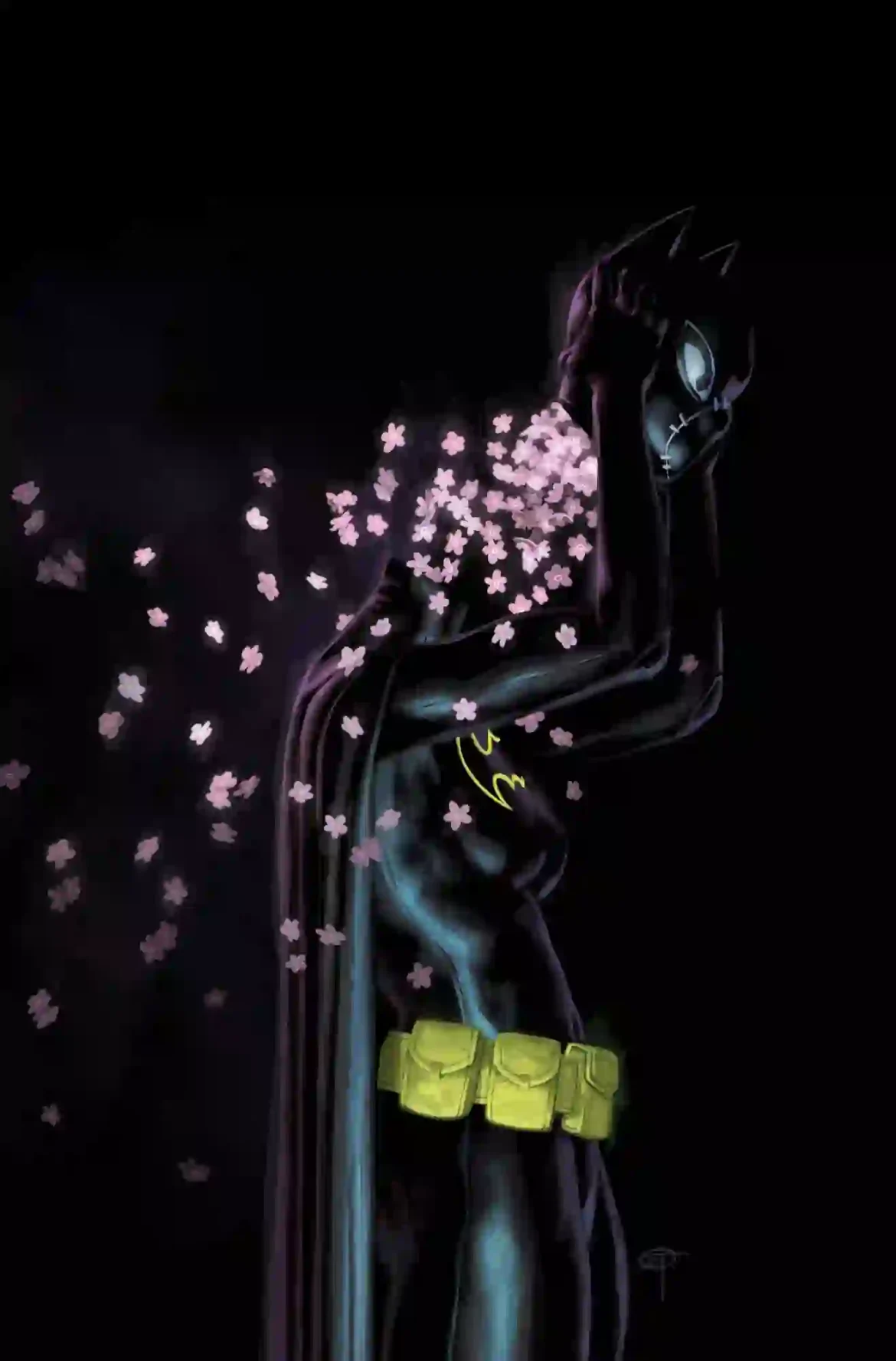
In this review of Batgirl #33, while Bronze Tiger and the others battle Dr. Forget-Me-Not in the real world, can Batgirl defeat her psychotic foe by herself in her own mind?
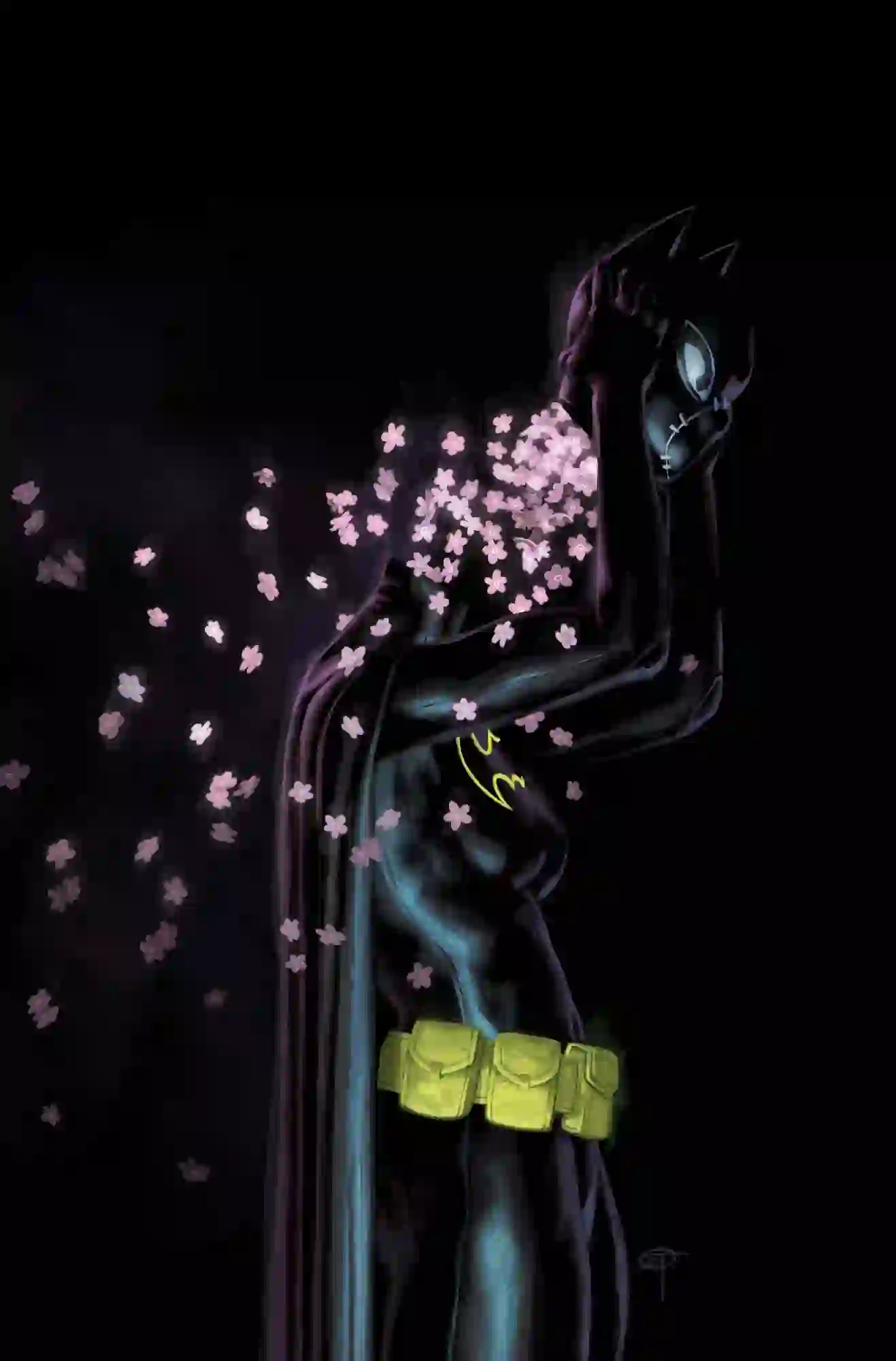
Batgirl #22 main cover by David Talaski (DC Comics)
BATGIRL #22
Written by TATE BROMBAL
Art by STEPHEN SEGOVIA
Main Cover: DAVID TALASKI
Variant Covers: KYUYONG EOM, STANLEY “ARTGERM” LAU
Page Count: 32 pages
Release Date: 8/5/26
This review contains spoilers
Bronze Tiger leads Jaya and Tenji downstairs of the warehouse where they’ve been sent to investigate the corpse of a dead girl, along with Batgirl who’s suffered a seizure and his currently comatose, battling a mental attack from Dr. Forget-Me-Not. Tasked with solving the murder of Victoria Rose – the rival trainee under the instruction of Forget-Me-Not and the League of Assassins, Cassandra begins to believe she killed Victoria, until she begins resisting the doctor’s mental hypnotism that’s intended to assault her as a young girl. Now as a grown woman who has learned speech, Cassandra reworks the evidence in her memories, realizing that Forget-Me-Not blamed Cass for Victoria’s death and that she likely died while on an assassination mission to compete with her and David Cain. Recognizing the evil doctor’s failure brings Cass out of her coma, just as a brainwashed Tenji has begun attacking his father. Batgirl knocks out both attacking parties, bringing Tenji back to his senses.
With Forget-Me-Not in custody, the heroes note that the corpse was that of a different murdered girl, surmising that Victoria’s body was never recovered. Tenji asks Cass if it means Victoria might still be alive, which Cassandra confirms is her belief.
Analysis
Retcons are an inherent risk in superhero storytelling, because for the majority of the various franchises the writer is invoking long-understood canon to enhance the emotional weight of the idea they’re putting across. Take for example the (as of now) current Matt Fraction run on Batman. We now have a new butler named Verity Pennyworth, Alfred’s heretofore unmentioned great-niece who is replacing her relative’s position under Bruce Wayne. Alfred’s quit his position before, twice in fact, before dying years later. So why hasn’t Bruce been made aware that a successor was waiting in the wings? That actually matters less if the story Fraction tells is good, so an explanation can take its time on it, especially as the efficacy of her presence can be felt in issues to come. Personally I enjoyed her opening debut.
I write all this to put across that for Tate Brombal, there must’ve been a real point to bring in Cassandra’s lost memories of her previous life training under David Cain. In the last issue, it seemed to further torture her in presenting a memory of killing a childhood friend, thereby worsening Cass’ already low opinion of herself, and deepening the (admittedly well worn) conflict of how she views her bloodline in the face of all her assassin relatives. In this issue, we learn that not only was she a scapegoat for another man’s failures, but in fact Victoria Rose a.k.a. Paper Doll was Cassandra’ earliest friend who “taught her how to love”. But not only was Victoria a tragic figure in that Cassandra’s memories of her were taken away, but she’s potentially another lifeline to her past in that she may still be alive – despite the fact that in her memories lil’ Cassandra is looking at a report of Victoria’s dead body.
My problem with this is that Tate Brombal’s run is far too occupied with trying to overwrite Cassandra’s history with family members parallel to the Bat-Family. The comparisons were already present with Shiva and Batman and Oracle, predating this run. But since this series began, the cast of characters introduced have all been trained assassins with dubious moralities meant to reflect Batgirl, in ways which – to my mind – are meant to invoke the Batman characters. Tenji’s relationship with Cass isn’t exactly like the relationship she had with Duke Thomas, but it comes across as though it’s filling the same slot I.E. the fresh-faced, young man who’s eager to fight and tries to hide his insecurities in the face of Batgirl. Far closer of a comparison is Victoria Rose and Stephanie Brown. Victoria is very clearly drawn similarly with Stephanie, and images of the two sharing hobbies as girls feel like one eye was kept on the pages of the Batgirls book from a couple of years ago.
It would be a more interesting retcon to learn that Cass had this blonde friend who “taught her how to love”, and then died, only for her to find a new blonde friend in Stephanie. But the idea that Victoria might still be alive wears me out. What’s the point of bringing in yet another character from her past? If the character remains dead, then the purpose of this arc was to show how much Cass has changed, and how the detective skills she’s learned as Batgirl helped to recognize the truth from her past. Not a bad idea, but the execution ends up muddied and mixing with different purposes.
Additionally, why was Forget-Me-Not’s revenge plan against Cass anyway? He implanted a mental trap to spring on her randomly years into her adulthood? How did she know she would even feel guilt if she lost her memories? Did he imagine she would escape the tutelage of David Cain? Why wouldn’t he blame Cain more directly, or the League of Assassins? And if someone paid for him to attack Cass now, why wouldn’t he just kill her instead of torture her with a blend of a Riddler-meets-Scarecrow mental attack? He says he wasn’t anticipating the others being present, but this is taking place in Gotham City. At the very least, the Bat-Family would likely be around for him to expect trouble.
I also still really dislike the revelation that Forget-Me-Not’s basement dwelling where all of this took place in the past was located in Gotham City. It’s stupidly convenient, and takes away from the international origins of Cassandra and Cain’s backgrounds.
The one aspect I enjoyed from this revelatory issue was Cass’s recognition that the skills she now had were her own, and she did not have to view herself as that eight-year-old girl anymore. It’s a strong realization for the character, illustrating genuine growth and makes this Batgirl embody the difference between someone who better understands herself with someone still searching for herself, which is at times what Cass comes across as in this book.
Overall, I wasn’t thrilled with the conclusion of this mystery, but I wasn’t surprised by it either. I’m just bothered that we’re bringing about more retcons to concern ourselves with, when we could be telling different stories for Batgirl to be challenged by. But this book is way too concerned with addressing her past, it distracts more than entertains.
